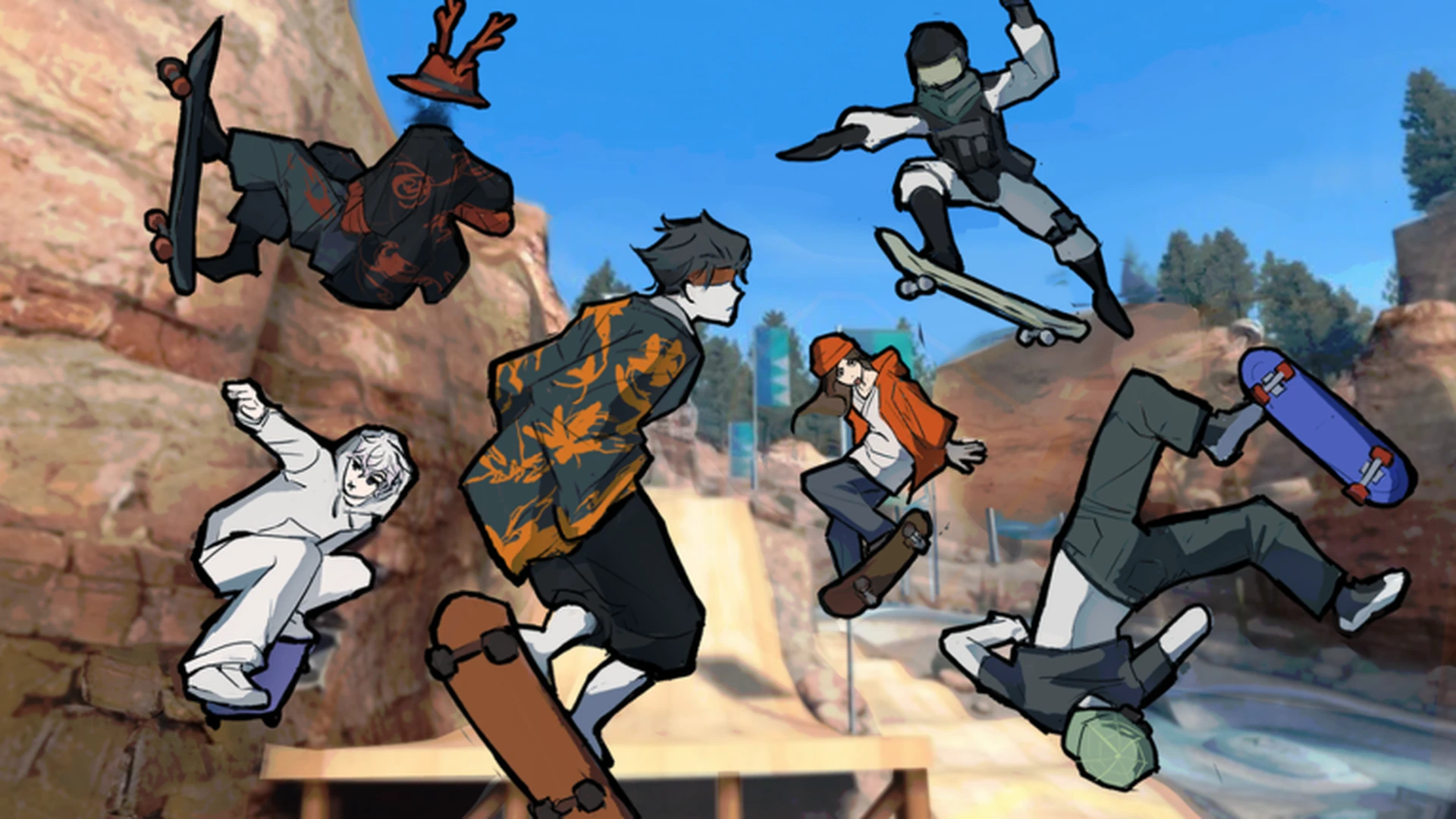
- The Skate Tree leaderboard ranks players by competitive performance, centered on Spot Battles.
- Score consistency beats risky tricks for most players climbing the ranks.
- Landing control is the single biggest skill separating top and average ranks.
- Battles support up to 12 players, so route awareness matters in every match.
- No official ranked leaderboard page is published yet, so track progress in-game.
How the Skate Tree Leaderboard Works
Skate Tree is a Roblox skateboarding game built around street spots, trick challenges, and its signature Spot Battles mode. Competitive performance in battles is the core of the game's ranking culture: players compare scores earned from tricks, lines, and clean landings across skateable spots. Because the game launched recently (October 2026) and is updated frequently by its developer group, RNE Third Vault, ranking systems and score displays may change between sessions.
There is currently no verified external leaderboard page or official ranking website for Skate Tree. Player standing is tracked inside the game itself, so treat any third-party "leaderboard" site with caution unless it links back to the official game page.
| Leaderboard Element | What It Measures | Where to Check |
|---|---|---|
| Spot Battle score | Trick points in competitive rounds | In-game battle results |
| Trick consistency | Clean landings over repeated runs | Personal session tracking |
| Line completion | Multi-obstacle routes in one run | In-game challenge tracking |
| Community reputation | Skill recognition among regular players | In-game servers and groups |
No official Skate Tree Discord, Reddit, or external ranking site has been confirmed. Ranking data seen outside the official Roblox game page may be unofficial or inaccurate.
Spot Battles Scoring Explained
Spot Battles is the competitive heart of Skate Tree and the main source of leaderboard-relevant performance. Matches bring up to 12 players into street-style spots where rails, ledges, ramps, and elevation changes can be chained into scored lines.
Score in battles comes from combining movement, jumps, steering, and trick timing. The reward structure favors players who can chain multiple obstacles in one continuous route rather than landing a single difficult trick and losing control afterward.
| Scoring Factor | Impact on Score | Difficulty | Priority |
|---|---|---|---|
| Clean landing | Prevents score loss on every trick | Basic | High |
| Multi-obstacle line | Multiplies value of connected tricks | Advanced | High |
| Trick variety | Rewards mixing jump, spin, and grind actions | Intermediate | Medium |
| Speed through route | Keeps lines alive between obstacles | Intermediate | Medium |
| Recovery after a miss | Saves a run from zero-score failure | Intermediate | High |
Approach each obstacle with enough speed to clear it, but always leave room to recover after the landing. A finished medium line outscores a crashed ambitious one.
Step-by-Step: Climbing the Rankings
Ranking up in Skate Tree follows a predictable skill ladder. Focus on these stages in order rather than skipping straight to technical sequences.
Master Basic Movement
Move through the starting area without losing control. Practice turning, jumping, and landing until basic runs are reliable on both keyboard and controller.
Build Landing Consistency
Repeat the same jump and trick several times before adding variety. Controlled recoveries protect your score in every battle round.
Learn the Best Spots
Explore street spot routes and identify where rails, ledges, and ramps connect. Map knowledge lets you plan lines that others improvise.
Chain Multi-Obstacle Lines
Connect several obstacles in one continuous route. Plan the line in sections and keep enough speed for the final obstacle.
Enter Spot Battles Regularly
Compete often to test lines under pressure. Battle rounds expose weaknesses that solo practice hides, such as rushed approaches and forced recoveries.
Prioritize objectives you can complete consistently over repeating difficult attempts too early. Steady scores compound into better rankings faster than occasional highlights.
Training Grounds: Where to Practice for Rank
Each area type on the Skate Tree map builds a different leaderboard skill. Match your practice location to the weakness you are fixing.
Main Skate Area
- Best for: learning controls, basic tricks
- Open space, low pressure
- Foundation for all ranked play
Street Spot Routes
- Best for: linking tricks, rails and ledges
- Directly mirrors Spot Battle conditions
- Highest transfer to leaderboard score
Open Practice Area
- Best for: timing and landing consistency
- Repeat identical attempts without traffic
- Ideal for fixing a specific failed trick
Exploration Routes
- Best for: route awareness, alternate lines
- Reveals transitions others miss
- Builds the map memory battles reward
| Practice Goal | Recommended Area | Session Focus |
|---|---|---|
| Fix failed landings | Open Practice Area | Repeat one jump until stable |
| Build longer lines | Street Spot Routes | Chain 2-3 obstacles, then add more |
| Improve route choices | Exploration Routes | Find alternate entries to known spots |
| Warm up before battles | Main Skate Area | Loosen movement, confirm control feel |
Revisit earlier areas after improving. Some routes that felt impossible as a beginner become reliable with better timing, and they often hide the fastest scored lines.
Common Ranking Mistakes and Fixes
Most players stall on the leaderboard for the same handful of reasons. Check these before assuming you need harder tricks.
| Mistake | Why It Hurts Your Rank | Fix |
|---|---|---|
| Attempting maximum difficulty early | Frequent crashes zero out round scores | Drop one difficulty tier and finish lines |
| Ignoring recovery practice | One miss ends an entire route | Drill landing recovery after every trick |
| Skipping map exploration | Improvised routes waste speed | Learn 2-3 fixed lines per spot |
| Stopping after each obstacle | Breaks line multipliers | Keep continuous movement between features |
| Only solo practice | Hides pressure weaknesses | Enter battles regularly to test consistency |
Ranking Improvement Checklist:
- Complete a basic run without losing control
- Land the same trick five times in a row
- Chain three obstacles in one line
- Learn two fixed routes on a battle spot
- Enter a Spot Battle session and finish every round
The developer notes Skate Tree plays best on a controller. If you compete seriously, testing controller input may give finer steering control during landings.
Leaderboard FAQ
Q: Is there an official Skate Tree leaderboard website?
No. As of October 2026, no official external leaderboard, Discord, or ranking site has been confirmed for Skate Tree. Player performance is tracked inside the game, and the safest source of updates is the official Roblox game page maintained by the developer group RNE Third Vault.
Q: What mode matters most for the Skate Tree leaderboard?
Spot Battles is the competitive mode named on the game's public page. It scores players on trick performance across street spots, making it the primary mode for leaderboard-relevant play.
Q: Do harder tricks always score higher?
Not necessarily. Chained multi-obstacle lines with clean landings generally outscore single difficult tricks followed by a crash. Consistency and recovery are the higher-value skills for climbing rankings.
Q: How many players compete in a Skate Tree battle?
The game supports servers of up to 12 players, so battle sessions can be competitive with many skaters on the same spots. Route awareness and spacing become important when the map is crowded.
Skate Tree receives frequent updates, and scoring or ranking mechanics can change between patches. Re-check the official Roblox game page after major updates before assuming old strategies still apply.