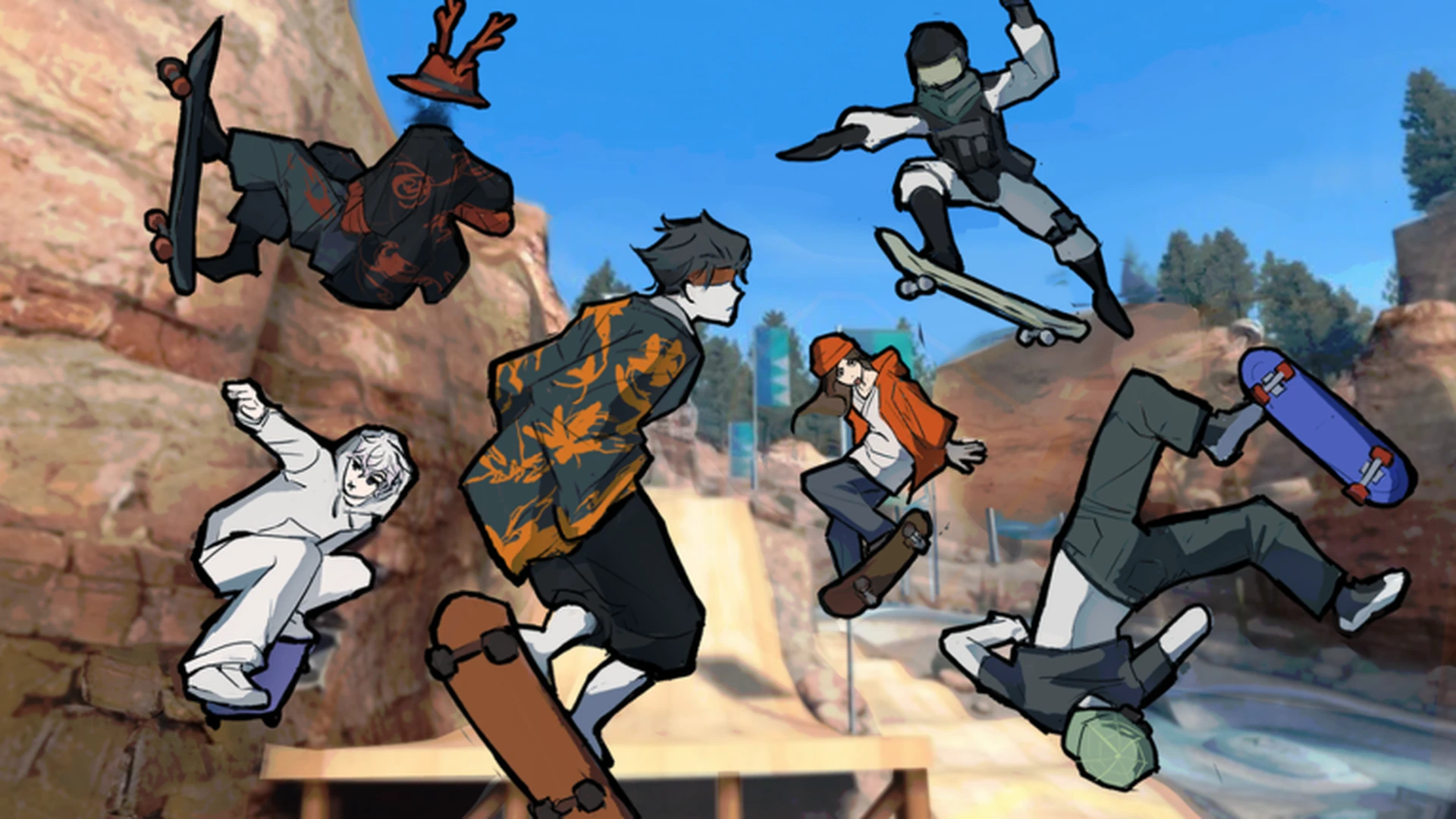
- Skate Tree best spots are grouped into open starter areas, street routes, practice zones, and free-roam paths.
- Street spot routes with rails, ledges, and elevation changes are best for linked trick lines.
- Open practice areas help you build landing consistency before attempting technical lines.
- Exploration routes between main areas reveal alternate paths and hidden transitions.
- Use a controller for the best experience, as recommended in the official game description.
Skate Tree Best Spots Overview
Skate Tree is a street skateboarding game on Roblox built around exploration and movement, featuring the Spot Battles mode and a map full of skateable areas. Choosing the right spot for your current skill level matters more than chasing the hardest route first. This guide breaks down the best spots by category so you can find the right place to learn, practice lines, or push for technical combinations.
The map rewards players who understand its layout: open areas for control, street sections for trick lines, and connected routes for continuous movement between spots.
Match the spot type to your goal. Use open areas to fix landings, street routes to build combos, and exploration paths to learn the full map before hard challenges.
| Spot Type | Category | Best For | Difficulty |
|---|---|---|---|
| Main Skate Area | Starting Zone | Learning controls, basic tricks | Beginner |
| Street Spot Routes | Trick Practice | Rails, ledges, linked combos | Intermediate |
| Open Practice Area | Skill Building | Timing, landing consistency | Beginner to Advanced |
| Exploration Routes | Free Roam | Map knowledge, alternate lines | All levels |
Spot Rankings and Best Use Cases
Each spot in Skate Tree serves a different purpose. The rankings below reflect how useful each area is for progression, based on what the map offers and how players typically use each section.
Rankings consider versatility, learning value, and how well a spot supports progression from basic movement to advanced trick sequences.
Main Skate Area
The starting zone is the most valuable spot for new players. Use it to learn movement, turning, jumping, landing, and basic trick control before touching technical routes. Begin with short straight lines, then add turns and jumps as your landings become consistent.
Street Spot Routes
Connected street-style sections with rails, ledges, ramps, and elevation changes form the heart of trick practice in Skate Tree. These are the best spots for linking multiple tricks into longer lines. Approach each obstacle with enough speed to clear it, but leave room to recover after the landing.
Open Practice Area
A spacious section of the map lets you repeat jumps and tricks without the pressure of a crowded obstacle route. Repeat the same movement several times before changing direction or adding another trick.
Exploration Routes
Paths between the main skating areas hold alternate lines and less obvious transitions. Follow ramps, slopes, and open paths instead of stopping after each obstacle to build route awareness.
Best for Beginners
- Main Skate Area for control basics
- Open Practice Area for timing drills
- Low pressure, easy restarts
Best for Combos
- Street Spot Routes for rails and ledges
- Elevation changes for air tricks
- Supports long linked lines
Best for Speed
- Exploration Routes with open paths
- Downhill slopes and ramps
- Continuous movement practice
Best for Discovery
- Off-route side paths and quiet corners
- Alternate trick lines
- Hidden transitions between areas
How to Build a Line at Any Spot
Turning a good spot into a clean line takes a repeatable process. Follow these steps at any location on the map.
Scout the Route
Skate through the spot slowly without attempting tricks. Note where obstacles start, where landings happen, and where the route ends.
Practice Each Obstacle Separately
Hit one rail, ledge, or ramp at a time until your landing is consistent. Isolate the timing before combining anything.
Connect Two Obstacles
Link the first two obstacles with controlled speed. Keep your directional input deliberate rather than rushing the transition.
Extend the Full Line
Add the remaining obstacles one at a time. Maintain enough speed for the final obstacle so you do not stall mid-line.
Repeat for Consistency
Run the same line several times. A line you can land reliably is worth more than a harder line you land once.
Most failed lines come from entering obstacles too slowly. Approach with enough speed to clear the obstacle, but keep room to recover after landing instead of immediately jumping into the next trick.
Spots by Skill Level and Challenge Type
Different spots support different challenge types in Skate Tree. Use this table to pick a spot based on the objective you are working toward.
Complete basic movement objectives in open areas first. Higher-difficulty challenges such as multi-obstacle lines and technical trick sequences become much easier once your landing consistency is reliable.
| Skill Level | Recommended Spot | Objective Type | Strategy |
|---|---|---|---|
| Beginner | Main Skate Area | Movement objectives | Repeat one movement until landings are reliable |
| Beginner | Open Practice Area | Land basic tricks | Focus on timing rather than speed |
| Intermediate | Street Spot Routes | Multi-obstacle lines | Plan in sections, keep speed for the last obstacle |
| Advanced | Technical street sections | Trick sequences | Practice each obstacle separately before the full run |
Hidden and Off-Route Spots
The map holds details that are easy to miss while skating at full speed:
- Hidden paths: Check the edges of familiar areas and test paths that look disconnected from the main route.
- Alternate trick lines: Return to familiar spots and approach obstacles from a different direction or with more speed.
- Quiet map corners: Search isolated corners, upper platforms, and areas away from regular traffic.
- Unusual interactions: Stop near distinctive scenery and check it from multiple angles instead of skating past.
Spot Mastery Checklist:
- Learn the Main Skate Area layout without losing control
- Land basic tricks consistently in the Open Practice Area
- Complete one multi-obstacle line on a Street Spot Route
- Find three off-route paths or alternate lines
- Skate a full exploration route without stopping between obstacles
FAQ
Q: What are the best spots in Skate Tree for beginners?
The Main Skate Area and Open Practice Area are the best spots for beginners. They let you learn movement, turning, jumping, and landing without the pressure of crowded obstacle routes, and you can restart easily after a failed attempt.
Q: Where should I practice linked trick lines in Skate Tree?
Street Spot Routes are built for linked lines. Look for connected sections with rails, ledges, ramps, and elevation changes, and practice each obstacle separately before connecting the full route.
Q: Are there hidden spots in Skate Tree?
Yes. Off-route side paths, quiet map corners, upper platforms, and alternate trick lines exist beyond the obvious routes. Explore the edges of familiar areas and approach obstacles from new angles to find them.
Q: Does playing on a controller help at technical spots?
The official game description recommends playing on a controller for the best experience. A controller's left stick allows smooth steering input, which helps with controlled landings and deliberate directional changes on technical lines.