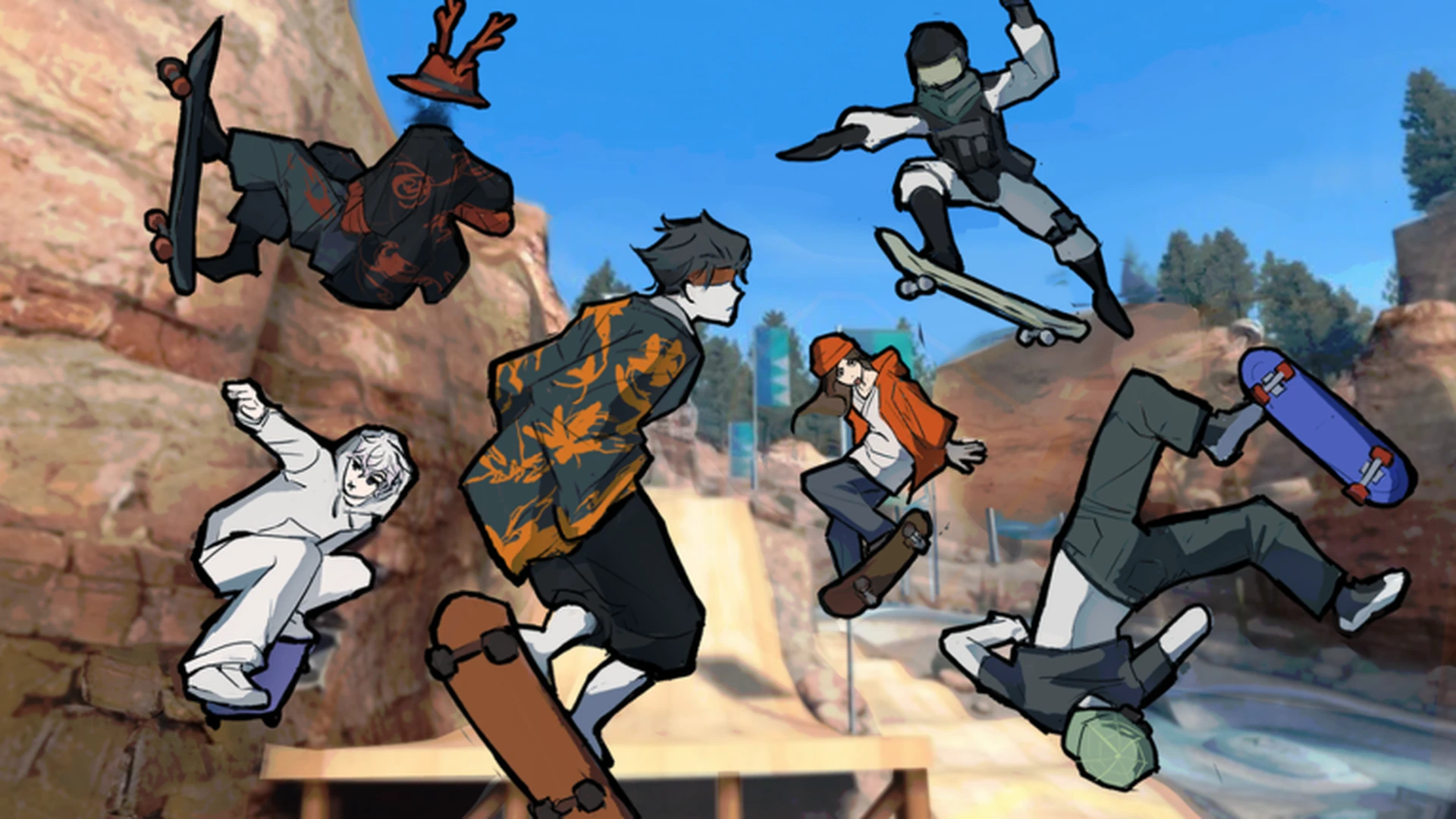
- Skate Tree secret spots are hidden routes, quiet corners, and off-route interactions players often skate past.
- Best method: explore slowly and inspect side paths, ramps, and scenery away from the main routes.
- High-value areas: edges of familiar zones, isolated platforms, and upper elevation levels.
- Key habit: revisit known spots after updates because new patches can add hidden content.
- Golden rule: a route that looks decorative may become useful with more speed or a different angle.
What Secret Spots Are in Skate Tree
Skate Tree is built around exploration and movement, and its map rewards players who look beyond the most obvious skating lines. Secret spots fall into a few broad categories: hidden paths that sit just off the main routes, unusual map interactions tied to distinctive scenery, alternate trick lines formed by approaching obstacles in unconventional ways, and quiet map corners that most players never visit because they sit away from regular traffic.
Because Skate Tree is a live Roblox game that receives updates, the exact set of hidden areas changes over time. Instead of memorizing a fixed list, the strongest skill you can build is a repeatable search method. The table below summarizes the four main categories of secret content and how each one is typically found.
| Category | Type | Where to Look | Difficulty |
|---|---|---|---|
| Hidden paths | Off-route routes | Side paths and ramps near familiar areas | ★★☆☆☆ |
| Unusual interactions | Special map objects | Distinctive scenery and standout props | ★★★☆☆ |
| Alternate trick lines | Reversed or angled routes | Known obstacles approached from new angles | ★★★☆☆ |
| Quiet map corners | Isolated platforms | Upper platforms, map edges, open gaps | ★★★★☆ |
Hidden areas are far easier to notice when you explore without trying to complete a trick line. Slow down, stop frequently, and inspect areas you normally skate through at full speed.
Four Types of Hidden Areas Explained
Each category of secret spot rewards a slightly different search behavior. Understanding what you are looking for makes the search dramatically faster.
Off-Route Exploration
- Trigger: leave the obvious route and test side paths
- Travel around the edges of familiar skating areas
- Test paths that look disconnected from the main line
- Many hidden zones sit one turn away from busy sections
Unusual Map Interactions
- Trigger: objects that stand out from normal scenery
- Stop near distinctive props and try interacting
- Check the same area from different angles
- Some interactions are easy to miss while moving quickly
Alternate Trick Lines
- Trigger: use ramps, ledges, and elevation changes in a new order
- Return to familiar spots and try another approach direction
- Connect a known obstacle to a nearby route you ignore
- Decorative-looking structures may work as ramps or transfers
Quiet Map Corners
- Trigger: search isolated corners and upper platforms
- Follow visible slopes and open gaps leading away from traffic
- Upper elevation often hides optional platforms
- Easiest to evaluate after you already know the main map
Rushing through a route at top speed causes you to miss subtle details, angled entries, and interactive objects. If your goal is finding secrets, deliberately skate at half your normal pace.
Step-by-Step: How to Hunt Secret Spots
Use this repeatable process every time you search a Skate Tree map, whether it is a brand-new area from a fresh update or a zone you have skated for weeks.
Learn the Main Routes First
Skate the obvious lines several times until you can predict where obstacles, ramps, and busy sections are. Secret spots are far easier to recognize when the standard routes feel boring — anything that breaks the pattern stands out immediately.
Sweep the Map Edges
Travel the perimeter of each familiar area. Hidden paths most often attach to the outer boundary of a zone rather than the center, and edges are where disconnected transitions tend to appear.
Test Interactive-Looking Objects
Stop at any scenery that feels different from the normal environment — unusual props, oddly placed structures, or objects that seem purely decorative. Try approaching and interacting with them instead of skating past.
Re-Approach Known Obstacles
Take familiar ramps, ledges, and elevation changes from a different direction or in a different order. A route that looks decorative can become a real line when approached with more speed or from a new angle.
Re-Check After Every Update
Skate Tree is updated regularly, and new patches can add hidden paths, platforms, or interactions anywhere on the map. Revisit previously explored corners after each update so nothing new goes unnoticed.
After each session, mentally note anything unusual you found or anything that felt like it should hide something. Patterns repeat: if one edge of the map had a hidden transition, other edges are worth checking too.
Where Secrets Usually Hide
Map placement is not random. Hidden content in exploration-focused skate games clusters around predictable locations. Use this reference table to prioritize your search time.
| Location Type | Likelihood | What to Check | Time Cost |
|---|---|---|---|
| Map edges and boundaries | High | Disconnected paths, gaps in terrain | Low |
| Upper platforms and rooftops | High | Elevation reachable via ramps or transfers | Medium |
| Behind or under structures | Medium | Angles hidden from the main line of sight | Low |
| Transition zones between areas | Medium | Alternate connections between skate areas | Medium |
| Centers of busy zones | Low | Usually reserved for standard lines | Skip first |
The busiest sections of the map are the least likely places for secrets. Focus your search where player traffic is light — that is where developers place optional, easy-to-miss content.
A practical session routine also helps. Before searching, make sure you can move, jump, and land reliably, because reaching upper platforms and awkward corners often requires precise control. Then alternate between edge sweeps and interaction tests rather than doing only one.
Secret-Hunting Session Checklist
Run through this checklist each time you plan a dedicated exploration session in Skate Tree.
Exploration Session Goals:
- Sweep the full edge of one familiar skating area
- Stop and test at least three unusual-looking objects
- Attempt one known obstacle from a new approach angle
- Reach at least one upper platform or isolated corner
- Note anything unusual to re-check after the next update
Players who search systematically find more secrets over time than players who rely on random wandering. Follow the same sweep pattern every session and expand it as the map grows.
FAQ
Q: What are Skate Tree secret spots?
Secret spots in Skate Tree are hidden paths, alternate trick lines, unusual map interactions, and quiet corners that sit away from the main skating routes. They are usually found by exploring map edges, upper platforms, and areas with light player traffic rather than the busiest sections of the map.
Q: How do I find hidden areas faster?
Learn the main routes first so anything unusual stands out, then sweep the map edges, stop at distinctive scenery and test interactions, and re-approach familiar obstacles from new angles. Skating at a slower pace makes subtle details much easier to notice.
Q: Do new updates add more secret spots?
Yes, this is likely. Skate Tree is a live Roblox game that receives regular updates, and new content can be added anywhere on the map. Revisit previously explored corners and edges after each update so newly added hidden areas do not go unnoticed.
Q: Are secret spots better than regular spots?
Not necessarily. Secret areas are valuable for exploration and can reveal alternate lines, but the main street routes, rails, ledges, and ramps remain the core of trick practice and Spot Battles. Treat secrets as bonus discoveries that expand your route knowledge, not replacements for standard practice areas.