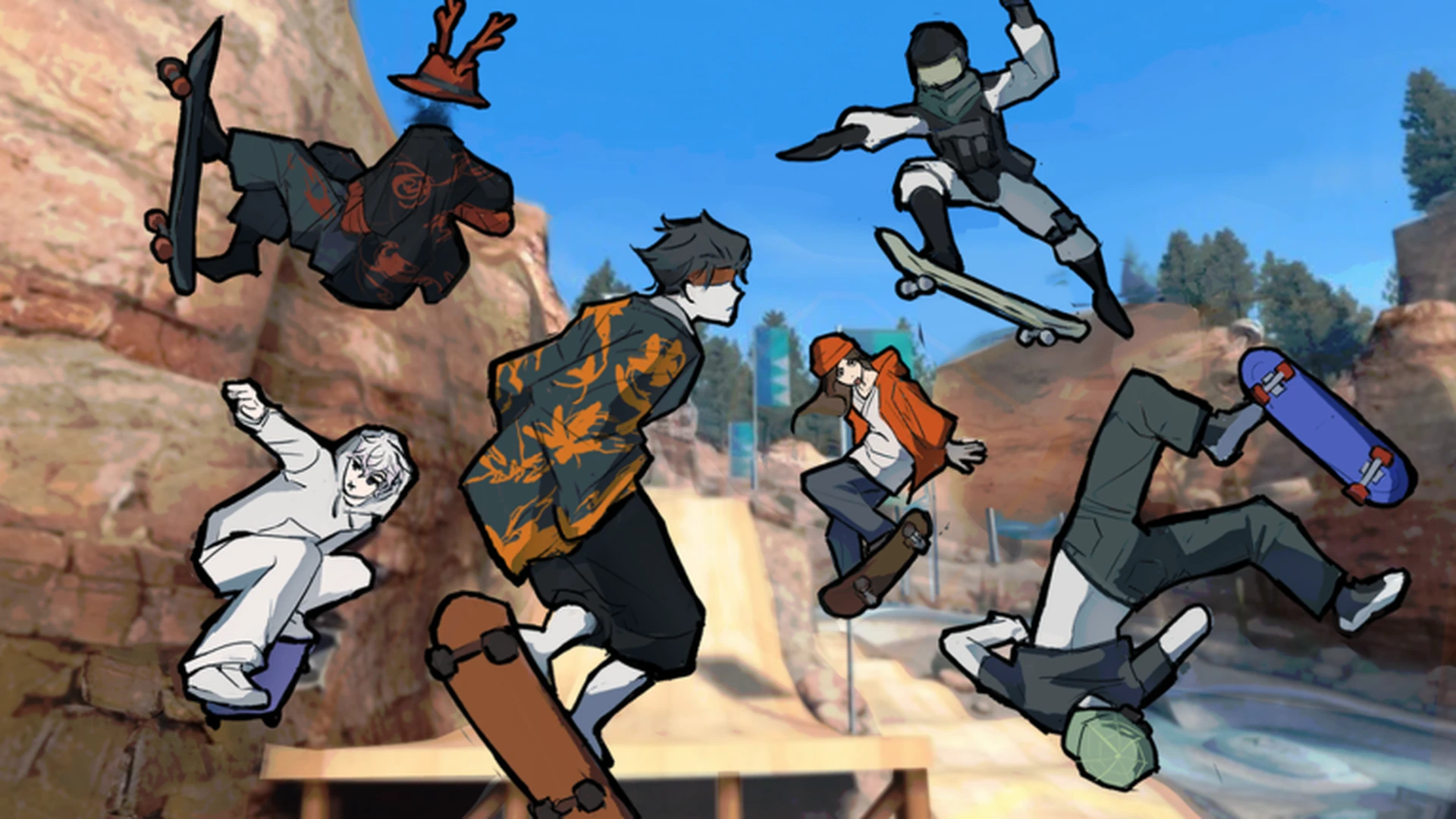
- Skate Tree map: Built around street spots, ramps, rails, and connected skate routes.
- Start in the Main Skate Area: Learn movement and landing control before technical lines.
- Street Spot Routes are ideal for linking rails, ledges, and longer trick combinations.
- Exploration Routes reveal alternate paths and less obvious transitions between spots.
- Controller play is noted by the developer as the smoothest way to experience the map.
Skate Tree Map Overview
The Skate Tree map is designed around exploration and movement rather than a single linear objective. New players spawn into an open starting zone, while the rest of the map branches into street-style sections filled with rails, ledges, ramps, and elevation changes. Understanding how these areas connect is the first step toward building longer, cleaner lines.
Skate Tree is a Roblox skateboarding experience from the developer group RNE Third Vault, built around street spots and its signature Spot Battles mode. Because the map is the core of the gameplay loop, learning its layout pays off in every session.
Do not chase difficult tricks in your first session. Skate the Main Skate Area for a few minutes, test turning and jumping, and only then move toward street sections.
Main Map Areas and Spots
Each area of the map serves a different purpose. Match the spot to your current goal — control practice, trick combinations, or free exploration.
| Area | Category | Best For | Route Tip |
|---|---|---|---|
| Main Skate Area | Starting Zone | Learning controls, basic tricks | Start with short straight lines, then add turns |
| Street Spot Routes | Trick Practice | Rails, ledges, trick lines | Carry enough speed but leave recovery room |
| Open Practice Area | Skill Building | Timing, landing consistency | Repeat one movement several times before changing |
| Exploration Routes | Free Roam | Map knowledge, alternate lines | Follow ramps and slopes instead of stopping |
Main Skate Area
- Best starting point for new players
- Open space for movement tests
- Low pressure for basic trick attempts
Street Spot Routes
- Rails, ledges, and ramps
- Best for multi-trick lines
- Requires controlled approach speed
Open Practice Area
- Repeat jumps without obstacle pressure
- Ideal for landing consistency
- Great for experimenting with movement
Exploration Routes
- Connects multiple skating areas
- Reveals alternate transitions
- Builds full-map awareness
Approaching rails and ledges too slowly causes failed grinds; too fast and you lose control on landing. Find a middle speed and keep it consistent for each obstacle.
How to Learn the Map Step by Step
Follow this order to turn raw exploration into reliable route knowledge.
Survey the Starting Zone
Spawn in and skate the Main Skate Area. Identify open paths, ramps, and obstacles before attempting anything technical.
Build a Home Line
Pick one short route near spawn and repeat it until landings feel automatic. This becomes your warm-up line every session.
Branch Into Street Sections
Move into Street Spot Routes. Practice one obstacle at a time — a single rail, a single ledge — before connecting them.
Explore Between Areas
Use Exploration Routes to travel between spots. Look for slopes, platforms, and gaps that create shortcut lines.
Apply the Map in Spot Battles
Bring your route knowledge into Spot Battles, where choosing high-succession lines matters more than single hard tricks.
If you can skate your home line five times in a row without a failed landing, you are ready for longer street combinations.
Hidden Spots and Exploration Tips
The map rewards players who slow down. Hidden content in Skate Tree is most often found off the obvious route — side paths, isolated platforms, and scenery that stands out from the normal skating environment.
| Discovery Type | How to Find | Tip |
|---|---|---|
| Hidden Paths | Check edges of familiar areas | Easier to spot when not mid-line |
| Special Interactions | Stop near unusual scenery | Inspect from multiple angles |
| Alternate Trick Lines | Approach obstacles in a new order | Decorative ramps may be skateable |
| Quiet Map Corners | Follow slopes away from traffic | Explore after learning the main map |
After major movement or map updates, revisit familiar spots. New lines and obstacles often change which routes are fastest or most consistent.
Map Mastery Checklist
Map Mastery Goals:
- Skate the Main Skate Area without losing control
- Land a clean line across three street obstacles
- Find at least two alternate routes between areas
- Complete a full circuit of the map without stopping
- Apply your best route in one Spot Battle session
FAQ
Q: Where should new players start on the Skate Tree map?
Begin in the Main Skate Area. It is the open starting zone where you can practice movement, turning, jumping, and landing control without the pressure of crowded obstacles.
Q: Which area is best for practicing trick lines?
Street Spot Routes are the best choice. They combine rails, ledges, ramps, and elevation changes, letting you link multiple tricks into longer combinations once your basics are consistent.
Q: Does the Skate Tree map change with updates?
Yes. Updates can add new skateable areas, obstacles, and routes. Revisit familiar areas after each update because new lines may appear and old routes may change.
Q: How do I find hidden spots on the map?
Slow down and inspect side paths, unusual scenery, and isolated platforms away from the main routes. Some interactions are easy to miss while skating at full speed.