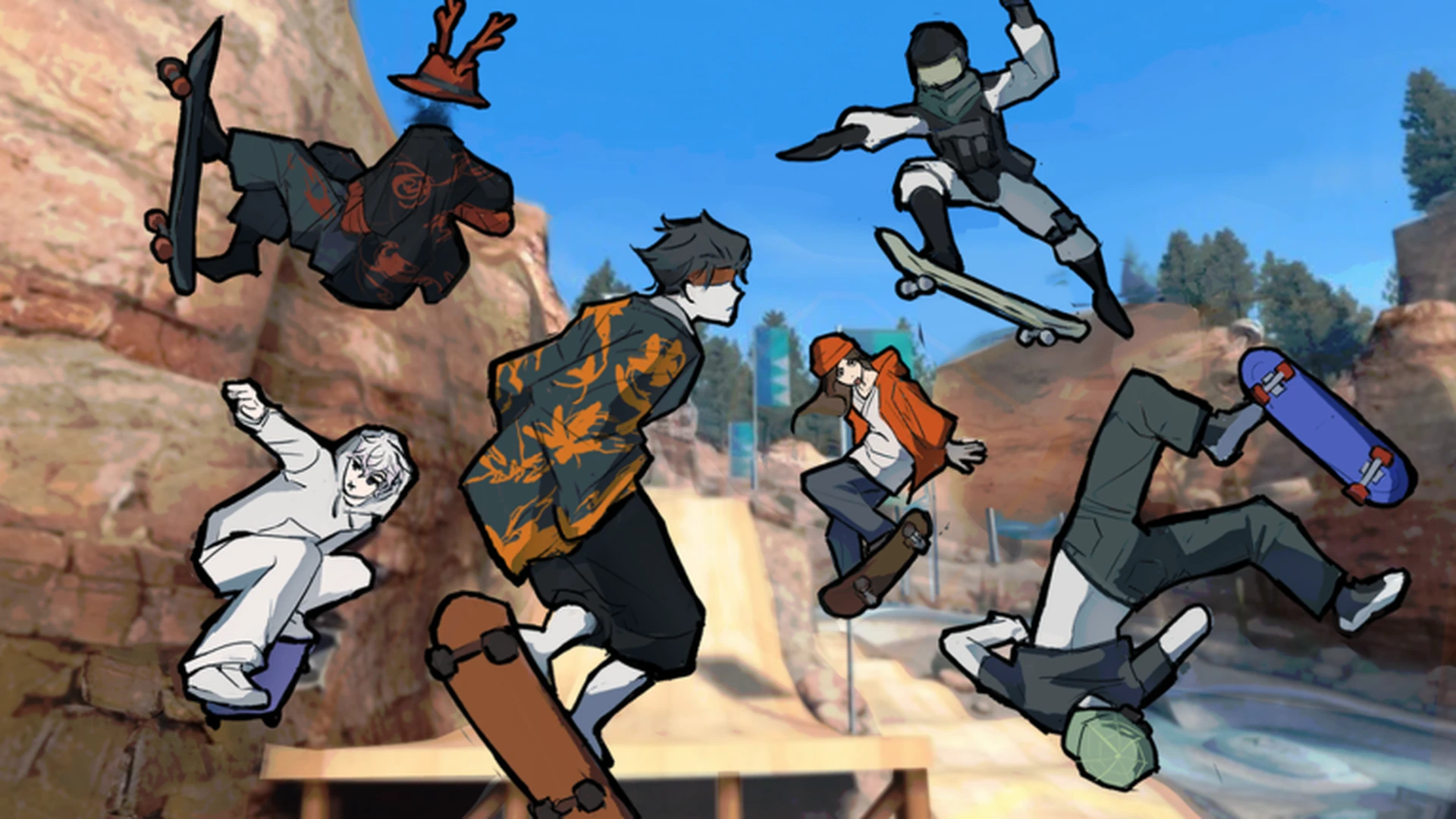
- Skate Tree tips for beginners start with movement control, not hard tricks
- Play on a controller for the best experience, per the developer's recommendation
- Practice landings first: smooth recovery beats risky trick attempts early on
- Use open areas to build timing before trying rails, ledges, and long lines
- Complete easy objectives to earn rewards while you learn the controls
Skate Tree Beginner Fundamentals
Skate Tree is a street skateboarding game on Roblox built around skating spots, trick challenges, and Spot Battles. New players who rush into difficult tricks usually spend more time recovering from falls than actually skating. The tips in this guide follow the order that works best: movement first, landings second, tricks third, battles last.
Before your first session, understand what the game rewards. Skate Tree focuses on board movement, trick execution, and competitive sessions, so every minute you spend on clean control pays off later in Spot Battles.
Here is how the core skills compare for a brand-new player:
| Skill | What It Does | Beginner Priority | Practice Area |
|---|---|---|---|
| Movement | Skating, steering, speed control | ★★★★★ | Main open area |
| Jumping | Leaving the ground, hitting ramps | ★★★★★ | Open practice area |
| Landing | Recovering control after air time | ★★★★☆ | Any flat, open space |
| Basic tricks | Individual jumps and rotations | ★★★☆☆ | Clear, uncrowded sections |
| Trick lines | Chaining multiple tricks together | ★★☆☆☆ | Street spot routes |
| Spot Battles | Competitive scored sessions | ★★☆☆☆ | After basics feel natural |
The developer notes that Skate Tree is best experienced playing on a controller. If you have one available, start with it from your very first session so your muscle memory builds on the intended input scheme rather than relearning later.
Controls: What to Learn First
Controls are the foundation of every Skate Tree session. The exact button prompts appear in-game, but the skill order below applies regardless of whether you use a keyboard or a controller.
| Action | Keyboard | Controller | Difficulty |
|---|---|---|---|
| Move and steer | Movement keys | Left stick | Basic |
| Jump | Jump key shown in game | Assigned jump button | Basic |
| Turn while skating | Movement input | Left stick steering | Basic |
| Land cleanly | Release inputs before touchdown | Center the stick | Intermediate |
| Perform tricks | Follow on-screen prompts | Follow controller prompts | Intermediate |
| Consistent lines | Repeat identical timing | Deliberate inputs | Advanced |
Two control habits separate beginners who improve quickly from those who plateau:
- Deliberate inputs: fast, panicked stick movements cause most early wipeouts.
- Landing preparation: start adjusting inputs before you touch the ground, not after.
Repeatedly mashing jump or steering inputs mid-air makes landings unstable. Commit to one action in the air, then stabilize. New players who fix this habit early progress noticeably faster.
Step-by-Step: Your First 30 Minutes
Follow this sequence when you first spawn into Skate Tree. Each step builds directly on the previous one.
Explore the Starting Area
Move around the spawn zone without attempting tricks. Identify open paths, ramps, obstacles, and any interactive locations. This builds your mental map before anything else.
Drill Basic Movement
Skate short straight lines, then add gentle turns. Repeat until you can cross the main area without losing control or stopping unexpectedly.
Practice Jumps and Landings
Jump on flat ground first. Focus on releasing inputs before touchdown so the board stays under you. Only then take small ramps.
Complete Beginner Objectives
Starter tasks and simple challenges teach you how Skate Tree rewards normal play. Finish these before chasing difficult tricks.
Explore Beyond the Start
Once the basic loop feels natural, look for street routes, rails, ledges, and spots suited to longer trick lines. Revisit early areas later with improved timing.
A successful first session is not landing the hardest trick. It is finishing with reliable movement, stable landings, and at least one completed beginner objective.
Best Practice Spots for New Players
Not every area of the map suits a beginner. Match the spot to your current skill level to avoid wasted sessions.
Main Skate Area
- Best for: learning controls and basic tricks
- Open space, few hazards
- Start with short lines, then add turns and jumps
Open Practice Area
- Best for: timing and landing consistency
- Repeat the same jump without route pressure
- Ideal for experimenting with movement
Street Spot Routes
- Best for: linking tricks into lines
- Rails, ledges, ramps, elevation changes
- Approach with enough speed, leave recovery room
Exploration Routes
- Best for: learning the map and alternate paths
- Connects multiple skating areas
- Builds continuous-movement awareness
A simple rule for picking spots: if you fall more than you land, move to an easier area and rebuild the basics.
| Spot Type | Recommended Skill | Main Benefit |
|---|---|---|
| Main Skate Area | Day one | Low-pressure control practice |
| Open Practice Area | Day one | Landing and timing reps |
| Street Spot Routes | After basics | Trick chaining and lines |
| Exploration Routes | Anytime | Map knowledge, route options |
Approach obstacles with enough speed to clear them, but always leave room to recover after landing. Overcommitting to speed is one of the most common beginner mistakes on street routes.
Progression Path and Challenge Order
Progress in Skate Tree follows a clear route: control, objectives, consistency, then advanced challenges. Use this priority table to decide what to attempt next.
| Stage | Focus | Goal | Priority |
|---|---|---|---|
| 1 | Movement loop | Cross the starting area cleanly | High |
| 2 | Easy objectives | Build initial rewards and progress | High |
| 3 | Route consistency | Reduce failed attempts on familiar lines | Medium |
| 4 | Multi-obstacle lines | Chain jumps, rails, and ramps in one run | Medium |
| 5 | Spot Battles | Competitive scored sessions | After stage 3 |
For Spot Battles specifically, high-success-rate actions score more reliably over a session than one spectacular trick followed by three falls. Choose tricks you land consistently, watch how opponents route the spot, and prioritize clean completion over risk.
Collect rewards from completed activities and use them to unlock additional content. Prioritize objectives you can complete consistently rather than repeating difficult attempts too early.
Beginner Milestones Checklist:
- Skate the main area without losing control
- Land five consecutive jumps cleanly
- Complete all starter objectives
- Link two tricks into one line
- Finish a full street route without stopping
- Enter your first Spot Battle session
Common Beginner Mistakes
Five mistakes slow down almost every new Skate Tree player. Fix these and your improvement rate jumps.
| Mistake | Why It Hurts | Fix |
|---|---|---|
| Skipping movement drills | Weak foundation causes constant falls | Spend the first session on basics only |
| Trick-chasing too early | Failed attempts teach bad timing | Master single tricks before combos |
| Ignoring landing control | Wipes out trick gains instantly | Release inputs before touchdown |
| Over-speeding obstacles | No recovery room after landing | Approach at controlled speed |
| Skipping exploration | Missed routes and practice spots | Roam between sessions |
Skate Tree receives active updates—movement feel and trick timing can change between versions. After a major update, revisit familiar routes briefly to confirm your timing still works before attempting harder content.
FAQ
Q: Is Skate Tree better on keyboard or controller?
The developer recommends playing on a controller for the best experience. Both input methods work, but starting on a controller from day one builds muscle memory on the intended scheme.
Q: What should Skate Tree beginners practice first?
Movement and landings. Skate across open areas until steering feels natural, then drill jumps with clean recovery. These two skills make every later trick easier to learn.
Q: When should I try Spot Battles?
Enter Spot Battles after your basic movement, jumping, and landing feel reliable. In battles, prioritize tricks you land consistently, since high-success actions score better across a session than risky attempts.
Q: How do I find good practice spots in Skate Tree?
Use the main skate area and open practice zones for basics, then move to street spot routes with rails and ledges once you can link tricks. Exploration routes between areas reveal alternate lines and quieter practice spots.