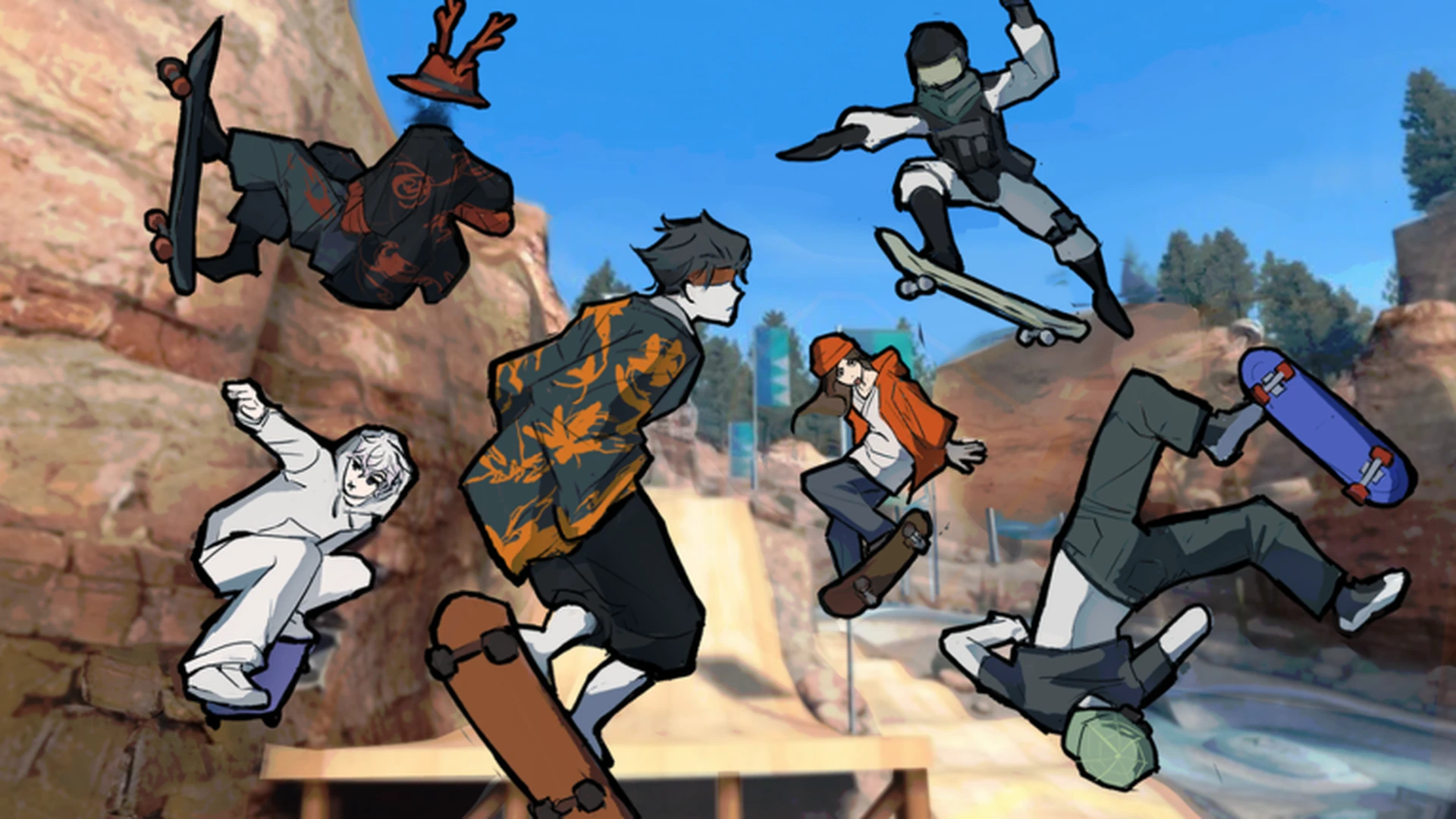
- Skate Tree best tricks start with clean jumps, controlled turns, and stable landings before anything flashy.
- Controller play is the developer-recommended way to experience the game's skating feel.
- Best practice route: main skate area first, then street spot routes, then multi-obstacle lines.
- Spot Battles scoring favors high-consistency tricks over risky attempts.
- Landing control is the single skill that separates beginners from advanced skaters.
Best Skate Tree Tricks: What to Learn First
Skate Tree is a Roblox street skateboarding game built around spot exploration, trick challenges, and its signature Spot Battles mode. Because the game launched recently (October 2026) and is still receiving same-day updates, the most reliable path to landing the best tricks is mastering fundamentals in the right order. Trying advanced combinations before your landings are consistent is the fastest way to stall your progress.
The table below ranks the core trick categories by learning priority, based on how the game's skating physics and challenge structure reward consistent execution.
| Priority | Trick Category | Difficulty | Why It Matters |
|---|---|---|---|
| 1 | Basic jumping | Basic | Foundation for every air-based trick and ramp approach |
| 2 | Controlled turning | Basic | Keeps lines connected and prevents speed loss |
| 3 | Landing recovery | Intermediate | Determines whether a trick scores or wipes out your line |
| 4 | Trick combinations | Intermediate | Links jumps, turns, and inputs into scored sequences |
| 5 | Multi-obstacle lines | Advanced | Highest reward in challenges and Spot Battles |
Repeat the same jump-and-land motion several times in an open area before changing direction or adding another trick. Consistency beats variety in the early hours of play.
Step-by-Step Trick Practice Route
Follow this route to build from basic board control to advanced lines. Each stage has a clear goal so you know when to move on.
Learn Movement in the Main Skate Area
Spawn into the starting zone and practice moving, turning, and stopping without losing control. Identify ramps, rails, ledges, and open paths. Goal: move through the starting area smoothly and repeatedly.
Drill Jump Timing and Landings
Use short straight lines with a single jump at the end. Release or adjust inputs before touching down and center your stick on controller. Goal: land clean jumps several times in a row without stumbling.
Land Individual Tricks Reliably
Follow the on-screen action prompts to perform single tricks in a clear, uncrowded section of the map. Focus on timing rather than speed. Goal: complete each basic trick without losing board control.
Build Two-Trick Combos on Street Routes
Move to street spot routes where rails, ledges, and ramps sit close together. Link two actions with a controlled landing between them. Goal: consistent two-trick sequences.
Attempt Multi-Obstacle Lines and Spot Battles
Plan a longer route in sections, keep enough speed for the final obstacle, and practice each section separately before running the full line. Goal: complete full lines and carry them into Spot Battles.
Do not attempt technical trick sequences early. Hard challenges require precise movement, timing, and controlled landings across demanding sections — skills you build in steps 1 through 3.
Best Spots for Each Trick Type
Where you practice matters as much as what you practice. Skate Tree's map divides naturally into areas suited to different goals, and choosing the right spot shortens your learning curve significantly.
| Spot Type | Best For | Recommended Tricks | Difficulty |
|---|---|---|---|
| Main Skate Area | Learning controls, testing movement | Basic jumps, turns, first landings | Beginner |
| Street Spot Routes | Linking obstacles into lines | Rail and ledge tricks, short combos | Intermediate |
| Open Practice Area | Timing and repetition | Landing drills, trick experiments | Beginner |
| Exploration Routes | Route awareness, continuous movement | Long connected lines, transitions | Advanced |
Main Skate Area
- Best first stop for new players
- Open space for safe trial and error
- Ideal for testing board movement feel
Street Spot Routes
- Rails, ledges, and ramps close together
- Approach with enough speed to clear obstacles
- Leave room to recover after each landing
Open Practice Area
- No crowded obstacles to interrupt reps
- Repeat one movement until it is reliable
- Great for experimenting with trick inputs
Follow ramps, slopes, and open paths instead of stopping after each obstacle. Continuous movement builds route awareness that pays off in Spot Battles.
Spot Battles: Trick Selection Strategy
Spot Battles is Skate Tree's competitive mode, and trick selection works differently than in free practice. Scoring favors players who complete their attempts cleanly, so the "best" trick in a battle is often the one you can land under pressure.
Use this comparison to choose your battle approach:
| Strategy | Risk Level | Reward Potential | Best When |
|---|---|---|---|
| Safe single tricks | Low | Moderate | You are still building consistency |
| Two-trick combos | Medium | Good | Your landings are reliable in practice |
| Multi-obstacle lines | High | High | You can complete the full route consistently |
| Counter-routing | Medium | Situational | Opponents crowd the popular spots |
Key battle principles:
- Choose high-success-rate tricks over difficult attempts you land only occasionally.
- Reduce mistakes by planning your route in sections and keeping enough speed for the final obstacle.
- Watch how opponents route the spot — a less crowded line with slightly lower rewards often outscores a contested risky line.
- Revisit the same spots after movement-feel updates, because trick timing and landing behavior can change between versions.
Skate Tree has received updates within days of content changes. After any movement or trick-timing adjustment, run your usual warm-up route before entering battles so you can recalibrate landings.
Controls Reference for Tricks
While the exact prompts shown in game depend on your platform, the input structure below covers how each control category supports trick execution. The developer notes that playing on a controller offers the best experience.
| Category | Action | Keyboard | Controller | Trick Difficulty |
|---|---|---|---|---|
| Movement | Move and steer | Standard movement keys | Left stick | Basic |
| Jumping | Jump or hit a ramp | Jump key shown in game | Assigned jump button | Basic |
| Landing | Recover after air time | Release inputs before touchdown | Center the stick | Intermediate |
| Tricks | Combine inputs and timing | Follow on-screen prompts | Follow controller prompts | Intermediate |
| Lines | Repeat a route consistently | Same approach each attempt | Deliberate directional input | Advanced |
Skate Tree's official description states the game plays best on controller. If you have one available, use it for trick practice — stick control makes landing adjustments more precise.
Trick Mastery Checklist
Track your progress with this checklist. Move to the next item only when the current one feels automatic.
Trick Mastery Milestones:
- Move through the main skate area without losing control
- Land clean jumps five times in a row
- Perform each basic trick individually on demand
- Complete a consistent two-trick combo on a street route
- Finish one full multi-obstacle line
- Win a Spot Battles round using your practiced line
Prioritize objectives you can complete consistently rather than repeating difficult attempts too early. Steady completion builds rewards and skill at the same time.
FAQ
Q: What are the best Skate Tree tricks for beginners?
Start with basic jumps, controlled turns, and landing recovery. These fundamentals determine whether advanced tricks succeed, so practice them in the main skate area and open practice zones before attempting combinations.
Q: Is a controller required to perform tricks in Skate Tree?
No, keyboard play is supported and on-screen prompts adapt to your platform. However, the developer's own game description says the experience plays best on controller, and stick control makes landing adjustments easier.
Q: How do I improve my landings?
Release or adjust your inputs before touching down, and center the controller stick as you approach the ground. Repeat the same jump several times in an open area until clean landings feel automatic.
Q: Which tricks score best in Spot Battles?
The best battle tricks are the ones you can land consistently under pressure. Multi-obstacle lines carry the highest reward potential, but a reliable two-trick combo usually outscores a risky full line that fails.
Q: Do trick mechanics change with updates?
Yes. Skate Tree has received frequent updates since launch, including changes that can affect board response, trick timing, and landing behavior. Re-run your warm-up route after each update to recalibrate.