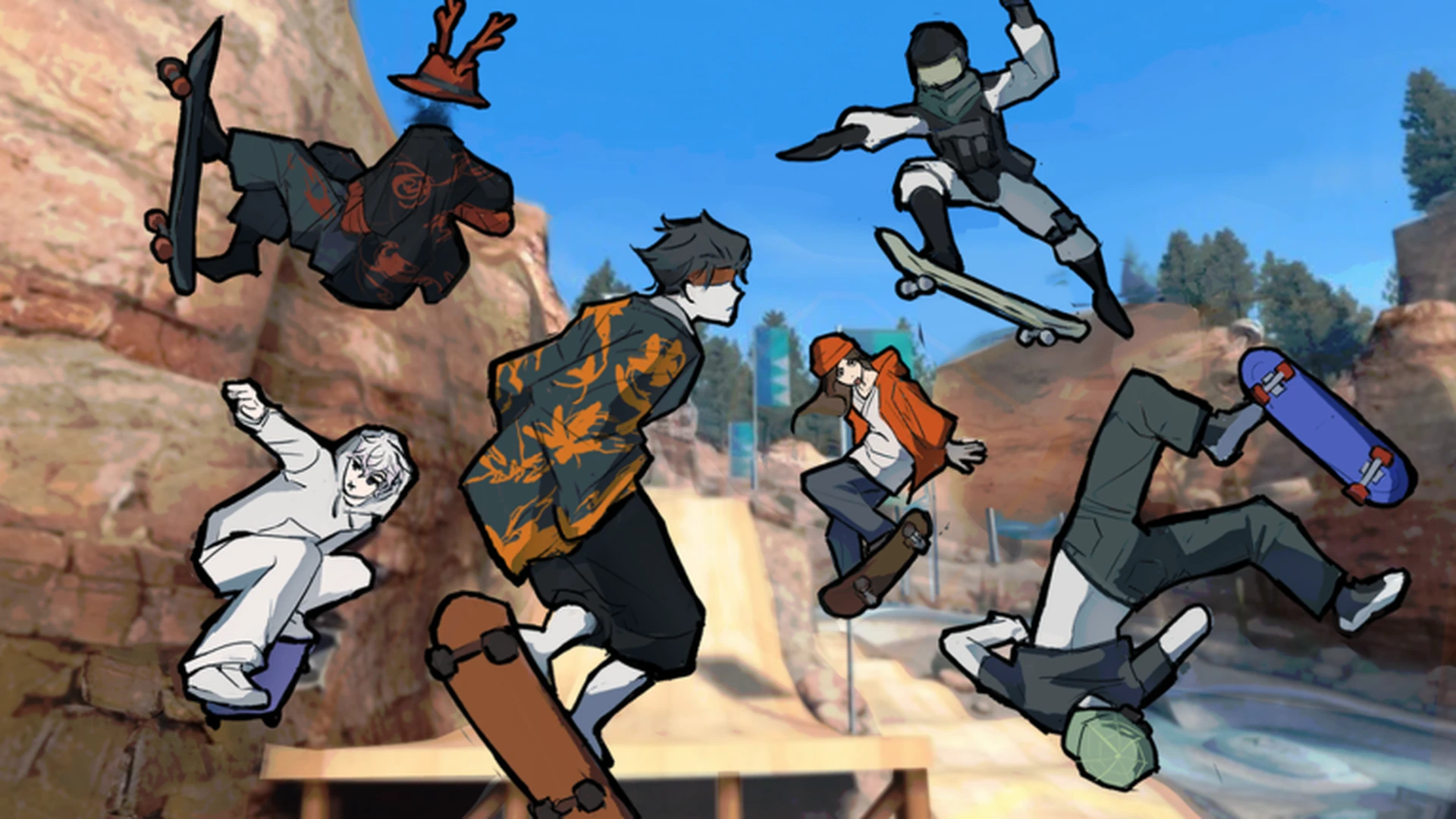
- Skate Tree ollie: The fundamental jump trick that unlocks every other trick in the game.
- Core mechanic: Combine speed, jump timing, and directional input to leave the ground cleanly.
- Best practice spot: Start in the open main skate area before trying street spot routes.
- Critical tip: Center your inputs before touchdown to land with control and avoid bailing.
- Controller note: The developer recommends playing on controller for the best experience.
What the Ollie Is and Why It Matters
The ollie is the foundation of every skateboard trick, and the same is true in Skate Tree, the Roblox street skateboarding game built around spots, trick lines, and Spot Battles. Before you can chain flip tricks, clear rails, or compete for the highest score at a spot, you need a reliable ollie. It is the gateway skill that determines whether your landings stay clean or end in repeated bails.
In Skate Tree, jumping works by combining your movement input with the jump action at the right moment. The game rewards controlled, well-timed pops far more than panicked button mashing, so treat the ollie as a timing skill rather than a reflex skill.
Do not chase speed while learning. A slow, controlled approach in the main skate area builds muscle memory faster than repeatedly failing at high speed on a street route.
Ollie Inputs by Platform
Skate Tree runs on Roblox, so your inputs depend on your platform. The developer notes that controller play offers the best experience, which matters especially for trick timing.
| Platform | Move | Jump / Pop | Steering | Landing Recovery |
|---|---|---|---|---|
| Keyboard | Standard movement keys | Jump key shown in-game | Movement keys | Release inputs before touchdown |
| Controller | Left stick | Assigned jump button | Left stick | Center the stick, stay neutral |
| Mobile | On-screen joystick | On-screen jump button | Joystick tilt | Lift fingers off directional input |
Follow the on-screen prompts in-game, since Skate Tree displays the exact bindings for your platform during play. The exact button prompts may change with updates, so always double-check in the game itself.
Analog input gives you partial steering control, which makes fine adjustments mid-air and smoother landings noticeably easier than digital keyboard taps.
How to Ollie: Step-by-Step
Here is the practice progression we recommend for landing your first consistent ollies in Skate Tree.
Find an open practice area
Spawn into Skate Tree and head to the main open skate area. Avoid crowded obstacle routes while learning — you want flat ground and no time pressure.
Build controlled speed
Push forward and reach a moderate, comfortable speed. You need enough momentum to stay balanced, but not so much that a failed landing sends you far off course.
Time the pop
Press the jump input at the moment you want to leave the ground. Keep your steering neutral or slightly aimed at your landing target. Jumping while turning sharply usually causes unstable air control.
Control the air
Once airborne, make small corrections only. Oversteering mid-air is one of the most common causes of failed ollies for new players.
Prepare and stick the landing
Center your inputs before touchdown. Release or neutralize directional input as you land so the board absorbs the impact and you keep rolling instead of bailing.
Repeat for consistency
Run the same straight line ten times in a row before adding turns, ramps, or trick inputs. Consistency first, variety second.
Holding full directional input through the landing is the number one reason new players bail after an ollie. Neutral stick, then land, then steer.
Where to Practice: Best Spots for Learning
Not every spot in Skate Tree suits a beginner ollie session. Pick your practice location based on what you are currently training.
| Spot Type | Best For | Difficulty | Practice Tip |
|---|---|---|---|
| Main Skate Area | First ollies, basic control | Beginner | Use short straight lines, add turns later |
| Open Practice Area | Timing drills, landing consistency | Beginner | Repeat the same jump several times before changing direction |
| Street Spot Routes | Ollie onto ledges, over small obstacles | Intermediate | Carry enough speed to clear the obstacle, leave recovery room |
| Exploration Routes | Continuous movement, route awareness | Intermediate | Follow slopes and ramps instead of stopping after each jump |
Flat Ground Drills
- 10 clean ollies in a straight line
- Focus on neutral-stick landings
- No obstacles, no pressure
Ledge Transfers
- Ollie onto low ledges
- Trains pop timing and distance judgment
- Start with the smallest ledge you can find
Line Building
- Chain ollie, turn, ollie
- Prepares you for street spot routes
- Foundation for Spot Battles scoring
When you can land ten ollies in a row without bailing on flat ground, you are ready to move to ledges and short street lines.
Ollie Checklist and Next Tricks
Ollie Mastery Milestones:
- Land 10 consecutive flat-ground ollies without bailing
- Ollie onto a low ledge and roll away clean
- Ollie over a small obstacle at full speed
- Chain an ollie into a turn into a second ollie
- Use the ollie confidently inside a Spot Battles session
Once your ollie is consistent, use it as the base for everything else. Combine it with turning for basic line work, then layer in trick inputs following the on-screen prompts to build longer, higher-scoring combinations.
In Spot Battles, a simple ollie you land cleanly scores more reliably than a difficult trick you bail. Prioritize high-success-rate actions, especially early in a round.
FAQ
Q: How do I ollie in Skate Tree?
Build moderate speed in an open area, press the jump input at the moment you want to leave the ground, keep steering neutral in the air, and center your inputs before touchdown to land with control.
Q: Why do I keep bailing after my ollie?
The most common cause is holding full directional input through the landing. Neutralize your stick or release movement keys before touchdown, then steer after you have landed.
Q: Is controller or keyboard better for ollies?
The developer recommends playing on controller for the best experience. Analog steering gives finer mid-air correction and smoother landing recovery, which helps ollie consistency.
Q: Where is the best place to practice ollies?
Use the main open skate area first, then move to the open practice area for timing drills. Progress to street spot routes with ledges only after landing ten consecutive flat-ground ollies.